
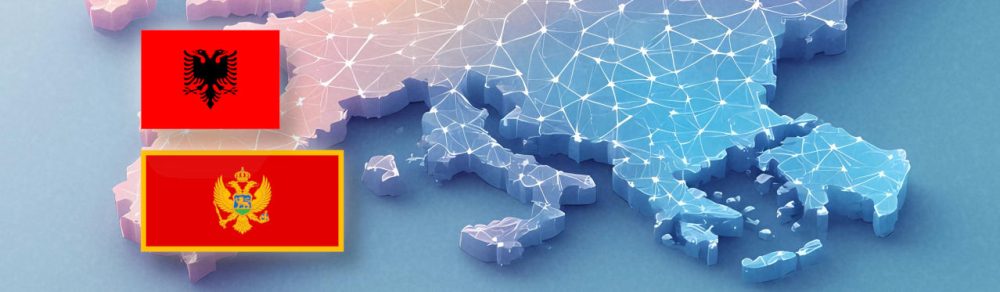
Albania and Montenegro are making strategic moves to modernize their intellectual property frameworks, signaling a significant shift in legal approaches to patent protection and international intellectual property standards. These recent legislative changes reflect a broader trend of harmonization with European Union regulations, demonstrating both countries’ commitment to creating more efficient and internationally aligned intellectual property systems.
Albania: New Patent Law in force as of 16-Aug-2025
A new Patent Law came into effect on August 15, 2025, aligning with EU directive (98/44/EC) on biotechnological inventions and directive (2004/48/EC) on intellectual property rights.
- Annual fees for patents are now calculated based on the application date, with payments starting from the third patent year.
- There are grace periods for late payments: a 50% surcharge for the first six months and a 100% surcharge for an additional two months.
- A six-month SPC extension for medicines intended for children has been introduced.
- The calculation for SPC validity is now more precise, with a maximum duration of 5 years.
- Oppositions are no longer allowed; objections can be filed within 2 months of the grant decision.
Montenegro: Accession to the London Agreement
As of August 1, 2025, Montenegro has acceded to the London Agreement.
European patents granted for Montenegro no longer require a full translation into Montenegrin if granted in English, but a translation of the claims is still necessary.
These changes aim to reduce translation costs and do not apply to patents granted before this date unless amended afterward.
Both countries have implemented significant changes to their intellectual property legislation, with Albania modernizing its patent law to align more closely with EU regulations, and Montenegro reducing translation requirements through its accession to the London Agreement. These changes aim to simplify patent processes, reduce costs, and harmonize intellectual property standards with European practices.
source: Dennemeyer